

Hello TWOC readers!
While several of China’s regional cuisines—from Yunnan, Guizhou, and Hunan—have gone viral in recent years, spawning restaurant chains across the country, Shanghai’s cuisine, famous for its use of a shining mixture of soy sauce and sugar, known as nongyou chijiang (浓油赤酱), has remained surprisingly rooted in its home city.
Shanghainese cuisine is also defined by its ability to absorb, adapt, and reinvent itself. Take one of its most popular dishes, fried pork cutlets with rice cakes (排骨年糕), for example: the pork cutlet was originally inspired by German schnitzel, the rice cakes come from nearby Ningbo, and the sauce is an adaptation of British Worcestershire sauce. Yet today, the dish is unmistakably Shanghainese.
How did the history and diverse culture of the megacity shape its cuisine? Read on to find out more.
👇👇👇
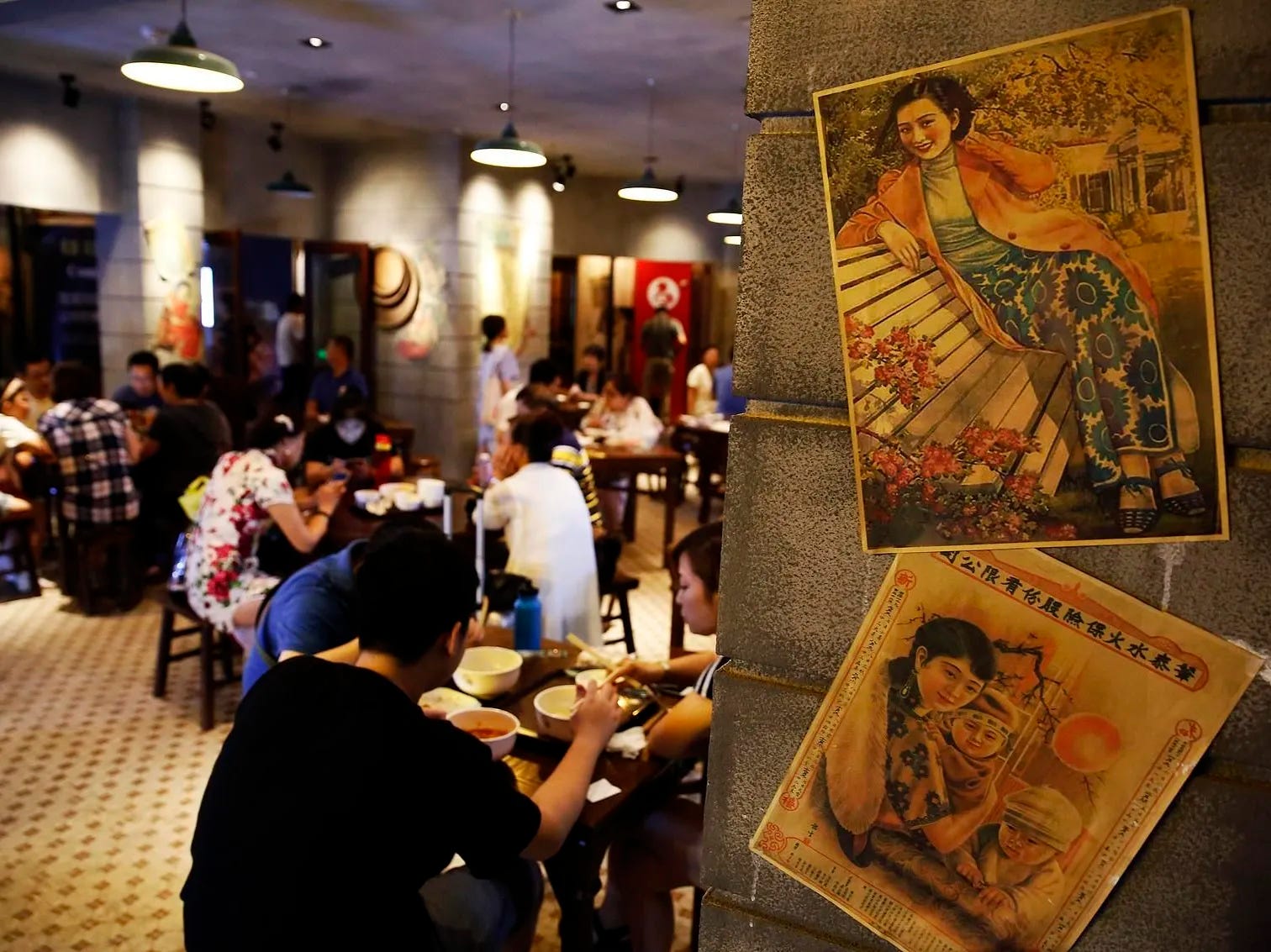
Our Gang’s Food: The Mixed-Up Cuisine of the Magic City
The true appeal of benbangcai may lie in its constant evolution, mirroring the city’s own ability to absorb and adapt to influences from both nearby regions and across the world. Read more
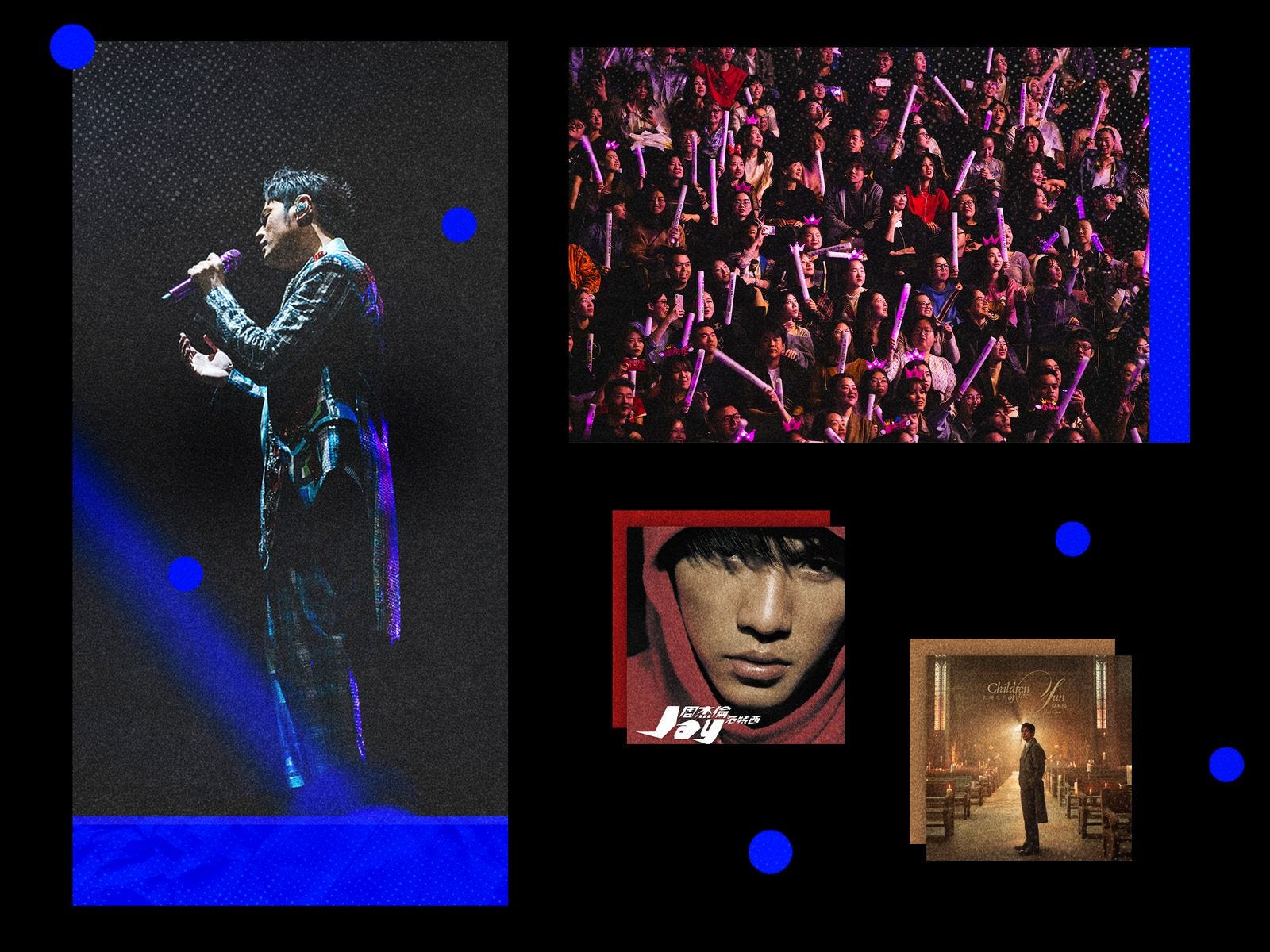
Outgrowing the Last King of Mandopop
For anyone growing up in the 2000s, Taiwanese singer-songwriter Jay Chou was, and still is, inescapable, thanks to his revolutionary influence on Chinese pop music. But as his fans grow up, can Jay Chou keep pace with the evolution of his audience? Read more
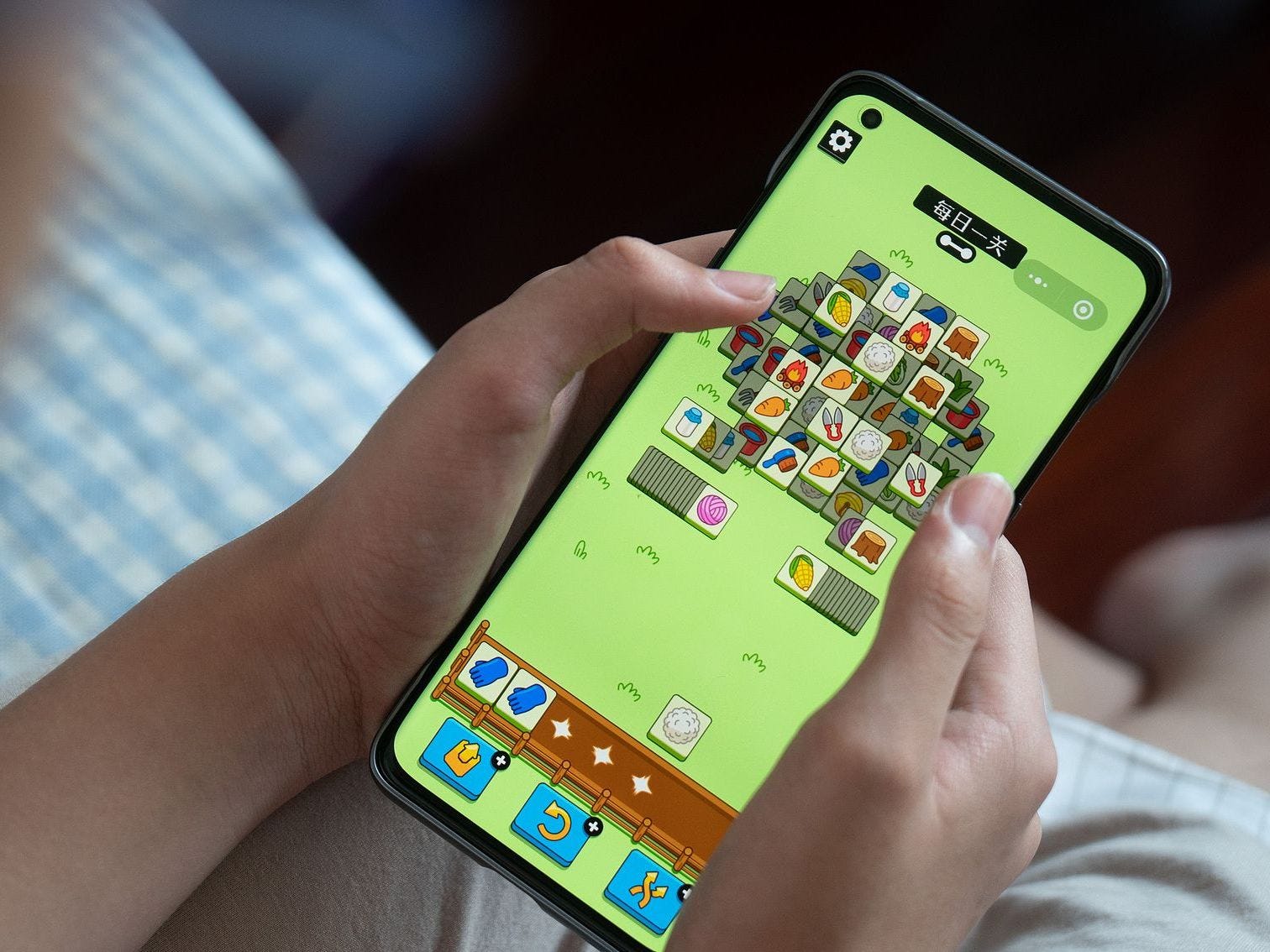
The Rise of China’s Mini-Game Industry
Designed for fragmented attention and instant access, mini-games have evolved from a niche product designed by small studios into an increasingly AI-fueled sector in China’s booming gaming market. Read more
What We’re Watching

Latest in C-Drama: Inept Criminals, Cold Missing Cases, Relationship Scams, and More
Check out our roundup of the newest Chinese drama releases—dark comedy, crime thrillers, urban romance, and the turbulent life of a traditional opera artist. Read more
Chinese You Need

Humans Distilled: When Coworkers Become Codes
As tech companies roll out mass layoffs and AI absorbs workplace skills, increasingly replacing human co-workers, what comes next? In China, office workers are using humor and language to navigate an uncertain future they call “cyber resurrection.” Learn more in our language column
Buy Our Latest Issue


First defined by UNESCO in a 2003 convention, intangible cultural heritage encompasses oral traditions, performing arts, traditional crafts, rituals, festivals, and other living cultural practices. In recent years, China has seen a renewed interest in traditional arts and crafts, while businesses have moved quickly to capitalize on this revival, fueling the rise of “China chic” consumption and driving growth in cultural tourism. What are the driving forces behind the trend, and will it be sustainable? All this and more in our latest magazine issue. Support on-the-ground reporting from China—get your copy today!