

Hello TWOC readers!
In late March, TWOC made a special trip to the little-known county of Tongxiang in Zhejiang province for an even lesser-known event: the sixth Comrade in Arms Cup, China’s largest tournament for buhurt enthusiasts.
Clad in historically accurate full-body steel armor, fighters wielded blunted weapons—from swords to poleaxes—and struck one another head-on.
The crowd was a wild mix of history buffs, armor geeks, curious locals, and even a grandmother dressed as the God of Fortune. The result was fierce combat with a full-on time-warp atmosphere. Yet the spectacle also raises a question: How far can a niche sport like this go in China?
Check out our TWOC original mini documentary to find out:
Read on to find out more stories from TWOC:
👇👇👇
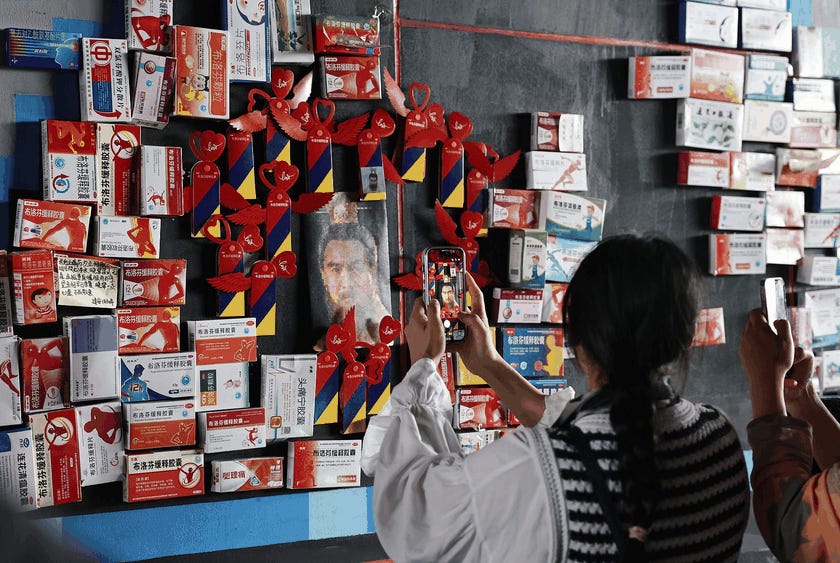
How I Became a “Fangirl” of History in China?
Who gets to write history? Historians may have one answer, while young female history fandoms offer another. Read More
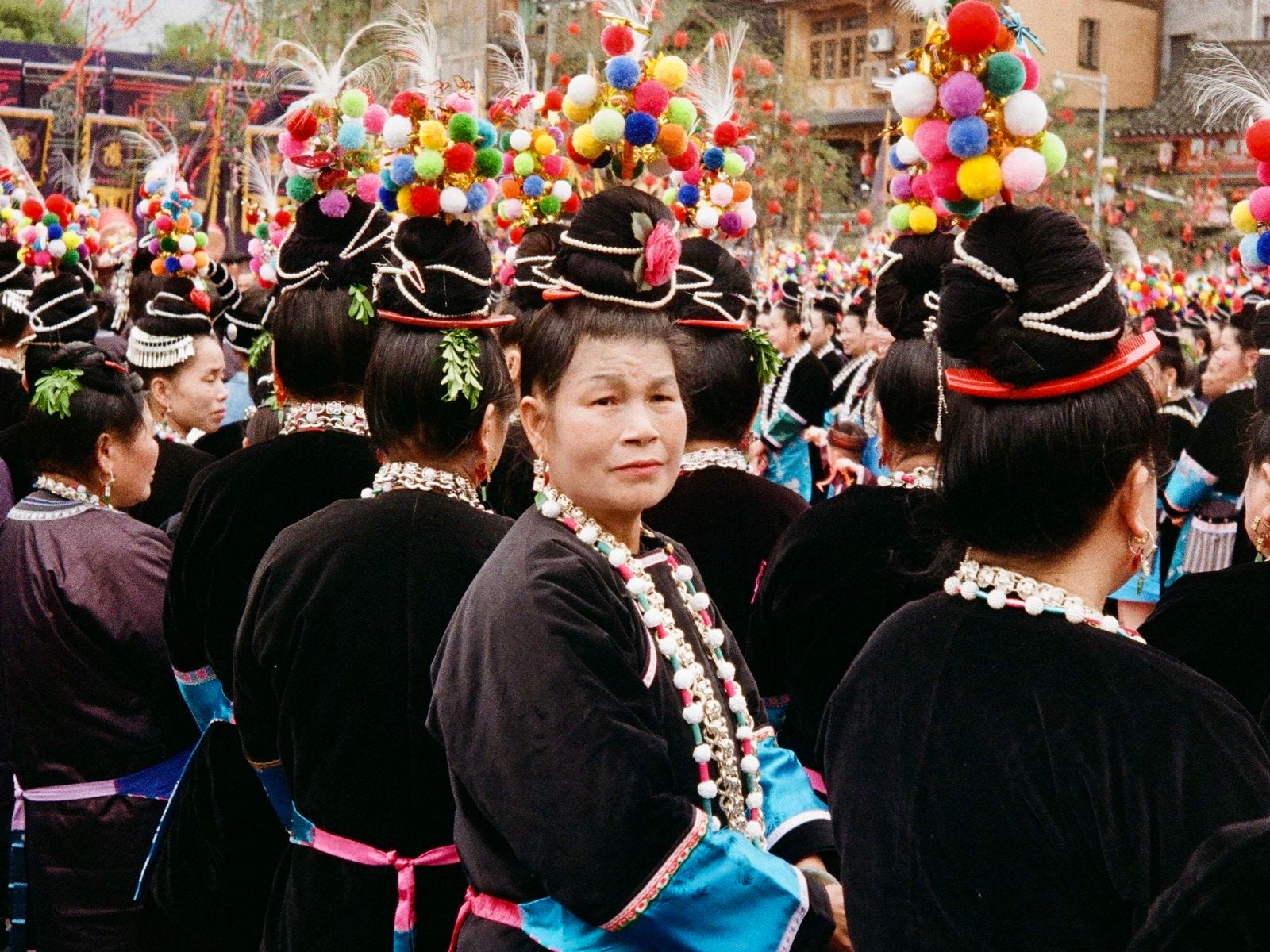
Daughters of Sama: A Matrilineal Society’s Day of Celebration
Inside the Dong ethnic group’s largest annual festival, where an ancient female deity is being reinterpreted for the modern world. Read more
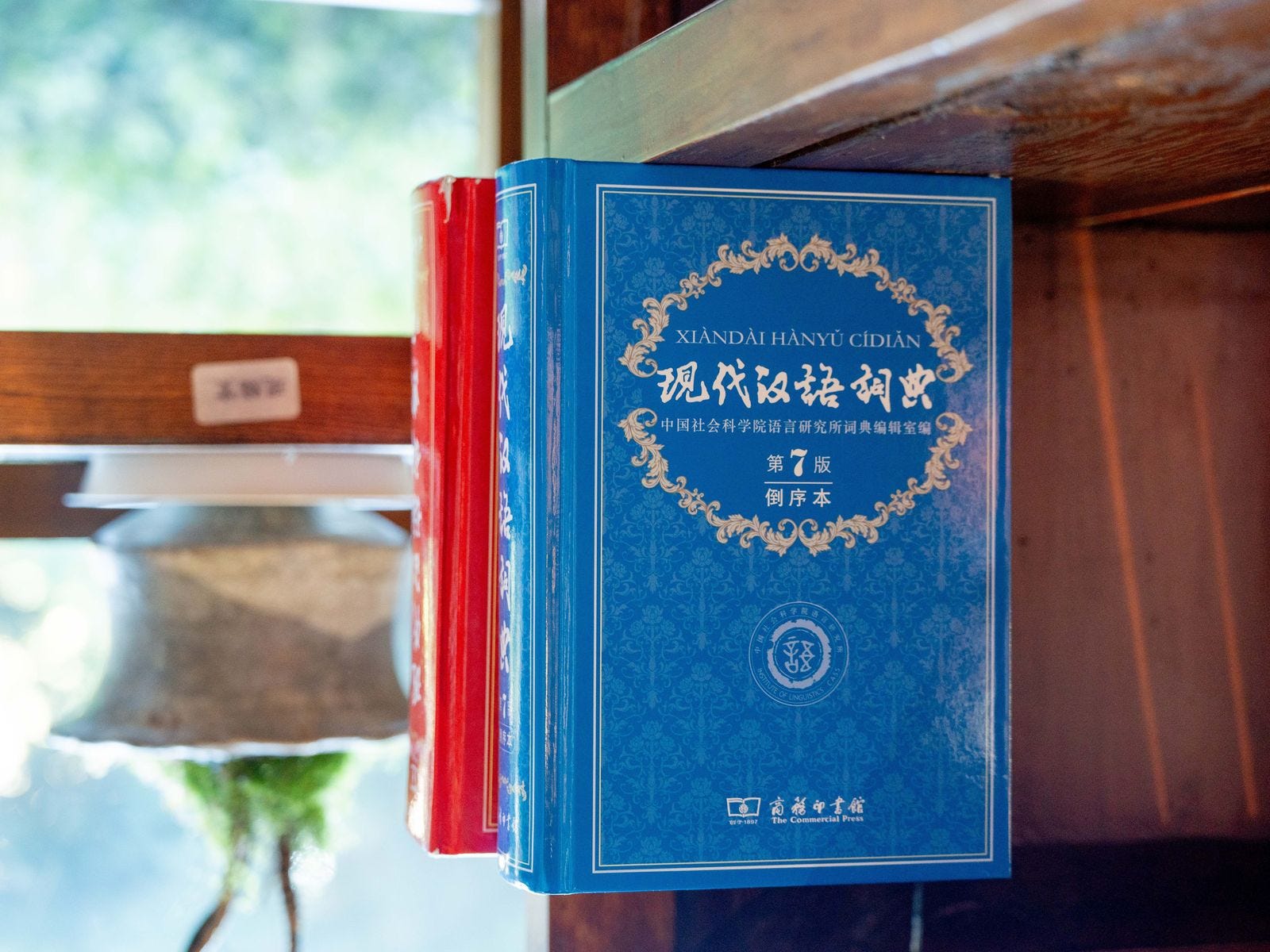
The Last Word: Inside a Reverse Dictionary of Modern Chinese
How a new “dictionary for rappers” is helping writers rhyme by continuing an ancient Chinese tradition. Read more
What We’re Reading

Eight Chinese Crime and Suspense Writers You Need to Read
Exploring the diverse voices shaping China’s contemporary mystery fiction, from literary noir to classic whodunits with a local twist. Read more
Chinese You Need

Welcome to Earth Online: Chinese Netizens Reimagine Life as a Video Game
In the sprawling world of “Earth Online,” a one-life game with no chance to restart, every exam is a boss fight, every job a quest, and every life crisis another level to clear. Learn more in our language column
Buy Our Latest Issue


First defined by UNESCO in a 2003 convention, intangible cultural heritage encompasses oral traditions, performing arts, traditional crafts, rituals, festivals, and other living cultural practices. In recent years, China has seen a renewed interest in traditional arts and crafts, while businesses have moved quickly to capitalize on this revival, fueling the rise of “China chic” consumption and driving growth in cultural tourism. What are the driving forces behind the trend, and will it be sustainable? All this and more in our latest magazine issue. Support on-the-ground reporting from China—get your copy today!