

Hello TWOC readers!
The recent hit Chinese costume drama Against the Current contains a shocking scene. After the Shen clan, an official household, is toppled in a political purge, the women of the family are sentenced to an institution called the Court Entertainment Office, or Jiaofang Si (教坊司).
As the Shen women gather in the dimly lit room where they are being held, the family matriarch explains the reality of their punishment: “This is the Jiaofang Si. They may call it a place of music and dance, but in truth it’s nothing but a state-run brothel.” The women, including two young girls, decide to take their own lives—“We’d sooner die with our honor intact than live in disgrace,” the matriarch says.
In many dynasties, the Jiaofang (教坊) was a government office responsible for organizing court performances and training entertainers, but the drama’s claims do have some historical basis—at certain times, its remit overlapped with the world of courtesans and sex work. So how did an ancient institution devoted to court performance also become tied up with prostitution and political punishment?
Read on to find out more:
👇👇👇
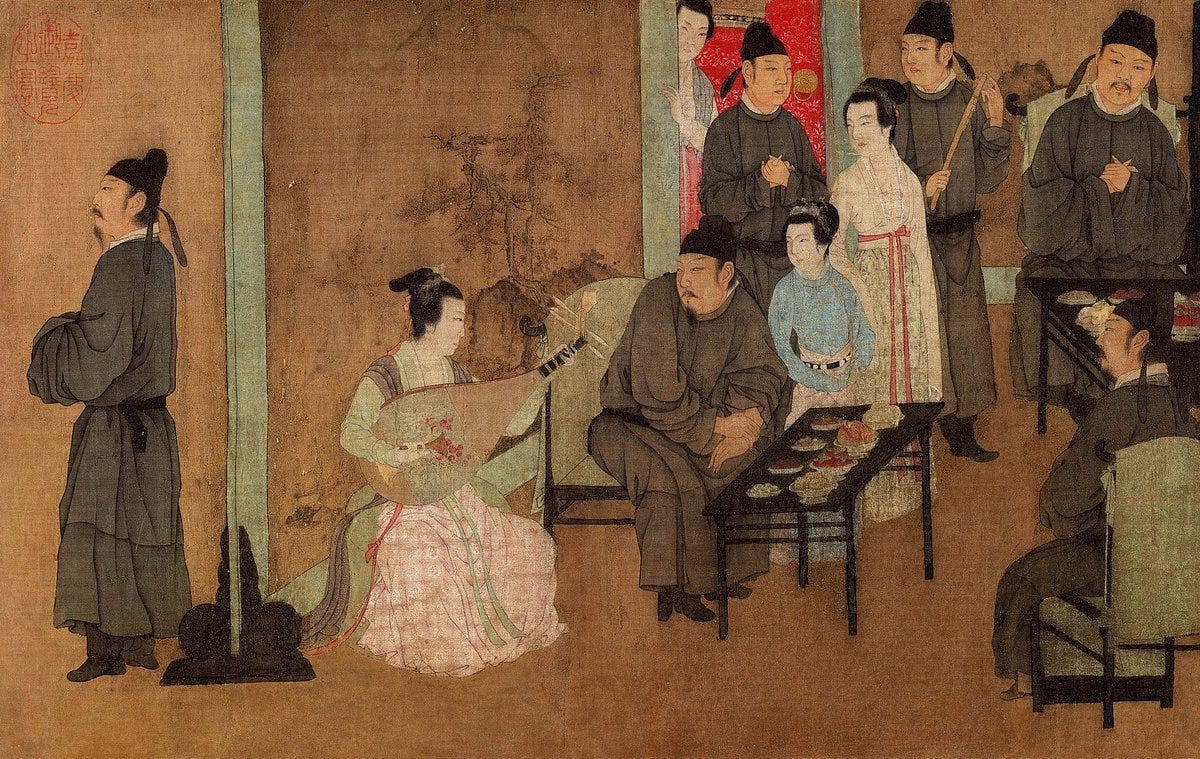
License to Thrill: Was an Ancient Entertainment Bureau Really Involved in the Sex Trade?
A disturbing storyline in a new historical drama sheds light on the Jiaofang, an imperial office with a long, complicated past. Read More
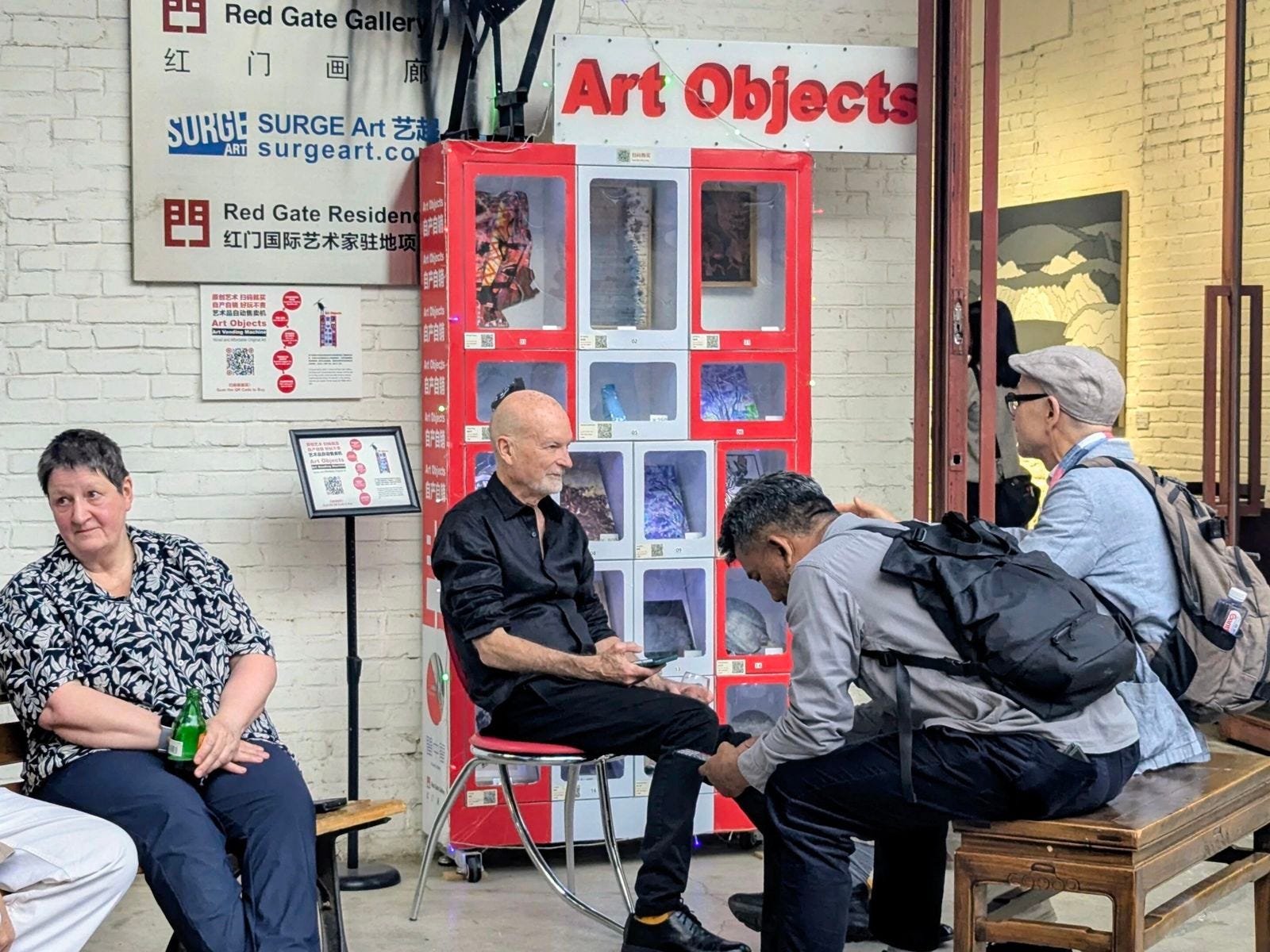
Long-term Residents: The Untold History of China’s Artist Residencies
A new exhibition celebrates the 35th anniversary of Red Gate Gallery, China’s first private commercial gallery, and the exchanges that shaped contemporary Chinese art. Read more
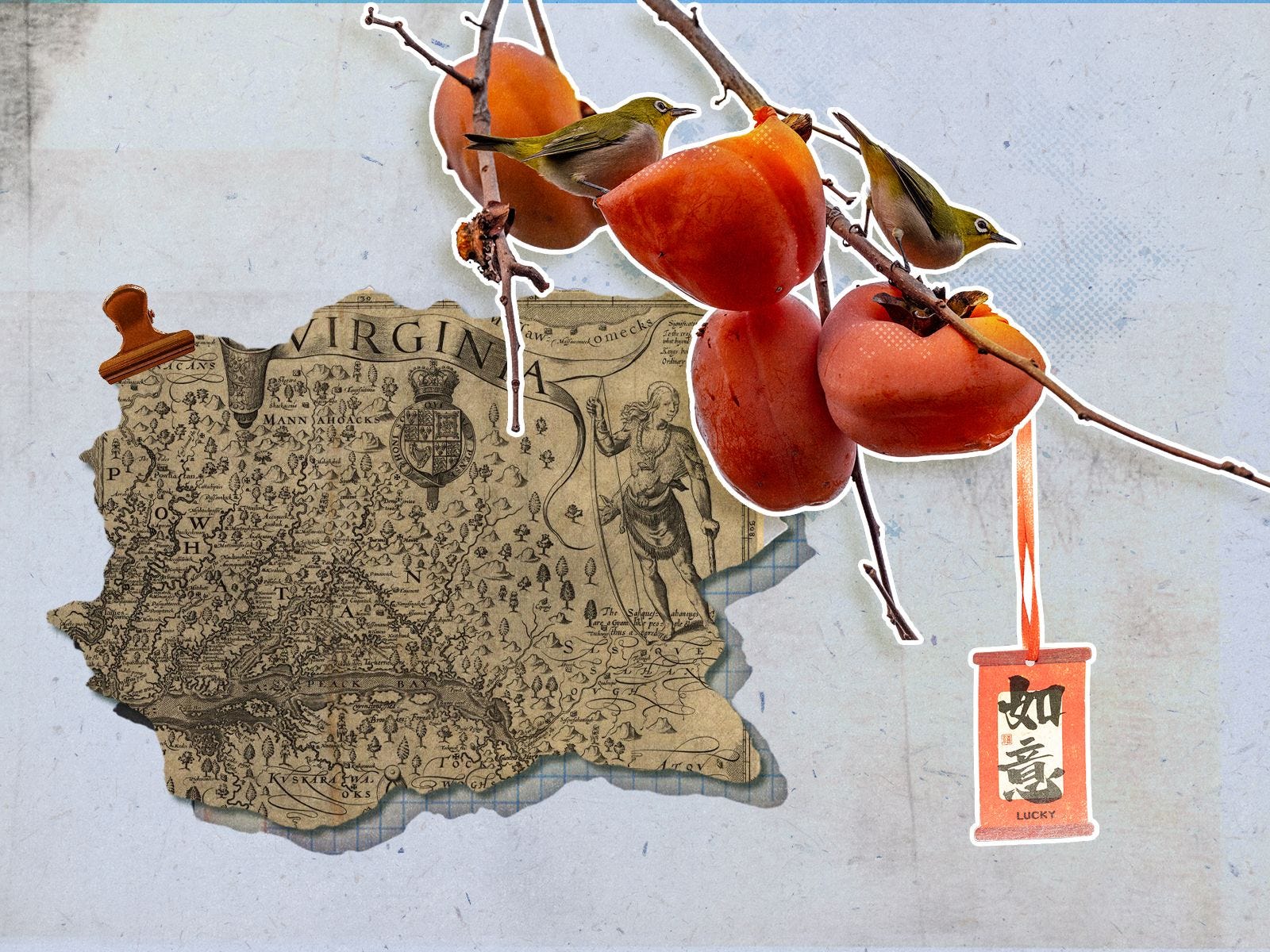
Persimmon Denied: The Chinese Fruit With a Native American Name
A cultural and culinary staple in China, the persimmon’s linguistic lineage reveals how different words take alternate paths to other languages. Read more
What We’re Reading

Four Female-Oriented Chinese Web Novelists to Discover
From crime investigations to fantastical adventures and everyday warmth, here are four Chinese web novelists making it big in the danmei romance genre. Read more
Buy Our Latest Issue


“Obesity is not simply about being unable to control your appetite or lacking self-discipline.” In this issue, we explore how this shift in understanding has pushed China to adopt a more systemic approach, with government, health platforms, and private businesses working together to tackle the country’s weight problem: The Healthy China campaign aims to build a supportive weight-control environment by 2030; digital platforms are turning weight loss into a game of goals, check-ins, and rewards; and weight-loss medications like Ozempic and Mounjaro are becoming increasingly popular. Support on-the-ground reporting from China—get your copy today!